Overview
The United Kingdom weaves together four distinct nations - England, Scotland, Wales, and Northern Ireland - each with proud identities, rich histories, and remarkable landscapes packed into a relatively compact area. From London's global cultural dominance to Edinburgh's medieval splendour, the rugged beauty of the Scottish Highlands to the pastoral charm of the Cotswolds, the United Kingdom offers travellers an extraordinary depth of experiences shaped by centuries of history and ongoing cultural evolution.
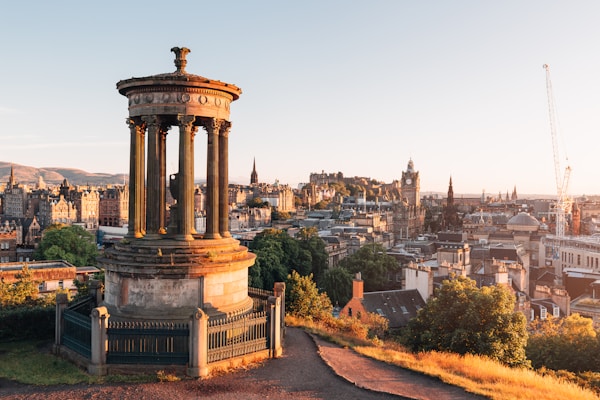
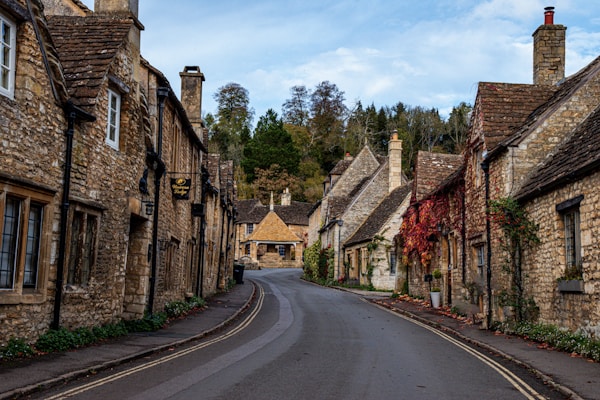
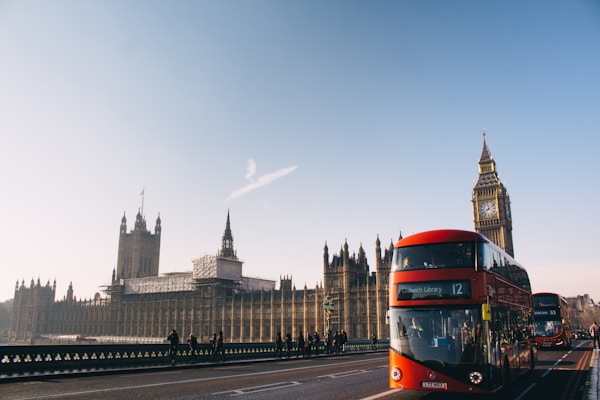
Britain's influence on world culture - through language, literature, music, democracy, and innovation - far exceeds its geographic size. This is Shakespeare's homeland, the birthplace of the Industrial Revolution, the Beatles' Liverpool, and the setting for countless royal dramas that continue to fascinate the world. Yet the UK is thoroughly modern, with thriving contemporary art, cutting-edge cuisine that has shed its former reputation, and multi-cultural cities that reflect centuries of global connections.
The British landscape surprises visitors expecting only urban centres and gentle countryside. Dramatic coastlines surround the island nation, from Cornwall's surf beaches to the white cliffs of Dover, and Wales's Pembrokeshire shores to Scotland's island-dotted western coast. Mountains rise in the Lake District, Scottish Highlands, and Snowdonia. Historic sites span Roman walls, Norman castles, Tudor manors, Victorian industrial heritage, and haunting stone circles predating recorded history.
Getting There
By Air
London dominates as the UK's primary gateway with five major airports: Heathrow (LHR), Gatwick (LGW), Stansted (STN), Luton (LTN), and London City (LCY). Manchester (MAN), Edinburgh (EDI), Glasgow (GLA), Birmingham (BHX), and Belfast (BFS) also handle significant international traffic. Budget carriers like easyJet and Ryanair offer extensive European connections through numerous regional airports.
By Rail
The Eurostar high-speed train connects London St Pancras with Paris (2.5 hours), Brussels (2 hours), and Amsterdam (4 hours) through the Channel Tunnel. This comfortable alternative to flying brings you directly into city centres.
By Sea
Ferry services link the UK with Ireland, France, the Netherlands, Belgium, and Spain. Routes include Dover-Calais, Portsmouth-Caen/Cherbourg, Holyhead-Dublin, and Liverpool-Belfast. Ferries accommodate vehicles, making them popular for road trips.
Visa Requirements
Following Brexit, UK visa requirements differ from the EU Schengen Area. Citizens of the US, Canada, Australia, New Zealand, and many other countries can visit visa-free for up to six months for tourism. EU/EEA citizens will need to obtain an Electronic Travel Authorisation (ETA) before entering the UK, unless they already have a UK immigration status or a visa. Always verify current requirements as policies continue evolving post-Brexit.
Best Time to Visit United Kingdom
If you want a balance of good weather and manageable crowds when you visit the United Kingdom, aim for late spring or early autumn.
- Spring (March-May): Delightful weather begins emerging, with gardens bursting into bloom across the country. Temperatures range from 8-15°C. Daffodils blanket countryside hillsides, and historic gardens open for the season. Easter holidays bring some crowds and higher prices, but generally this is shoulder season with good value. Rain remains frequent, so always pack layers and waterproofs.
- Summer (June-August): Peak tourist season brings the warmest temperatures (18-25°C) and longest daylight hours; sunset after 9pm in Scotland. School holidays (late July-early August) see domestic travel spike. Festivals flourish, including Edinburgh Festival Fringe in August. Attractions are crowded, especially in London and popular tourist towns. Book accommodations well ahead. Weather remains unpredictable with occasional rain.
- Autumn (September-November): September offers excellent value with lingering good weather, diminished crowds, and beautiful fall foliage. October brings harvest festivals and Halloween traditions. By November, temperatures drop (5-12°C), days shorten dramatically, and rain increases. Many attractions maintain full schedules through October before winter closures.
- Winter (December-February): Cold, dark, and often rainy, but British winters rarely see extreme cold or heavy snow (except Scottish Highlands). Christmas markets, festive lights, and New Year celebrations create atmospheric urban visits. Theatre season is in full swing, museums are uncrowded, and accommodation prices drop significantly. Many country houses and gardens close for winter. Pack warm, waterproof clothing.
Top Attractions by Region
Bath
- Bath Abbey impresses with Gothic splendour.
- Jane Austen connections attract literary fans.
- Modern Thermae Bath Spa allows visitors to bathe in naturally heated waters as Romans did.
- The remarkably preserved Roman Baths demonstrate ancient engineering and social culture.
- The Royal Crescent and Circus exemplify 18th-century architecture.
- This elegant Georgian city showcases Roman Britain at its finest.
Cambridge & Oxford
- Both cities maintain vibrant student cultures alongside tourist attractions.
- Britain's ancient university cities showcase stunning college architecture spanning centuries.
- In Cambridge, King's College Chapel astounds visitors, while punting on the River Cam provides leisurely perspectives on the picturesque 'Backs' of the colleges.
- Oxford's Bodleian Library, Christ Church College (Harry Potter filming location), and Radcliffe Camera create architectural splendour.
Cornwall
- Cornish pasties and cream teas provide culinary treats.
- England's south-western peninsula feels geographically and culturally distinct.
- Dramatic coastlines feature hidden coves, surf beaches (Newquay), and fishing villages like Padstow and Port Isaac.
- St Ives attracted artists for generations with its special light.
- The Eden Project's geodesic biomes house diverse plant ecosystems.
- Tintagel Castle claims Arthurian legends.
Cotswolds
- Bourton-on-the-Water, Bibury, and Castle Combe rank among England's prettiest villages.
- Quintessentially English, the Cotswolds present a pastoral idyll of honey-coloured stone villages, rolling hills, and country pubs.
- Stow-on-the-Wold and Broadway offer antiques and tea-rooms.
- Walking trails connect villages through sheep-dotted landscapes.
Edinburgh
- Edinburgh Castle dominates the skyline from volcanic rock.
- Ghost tours explore underground vaults.
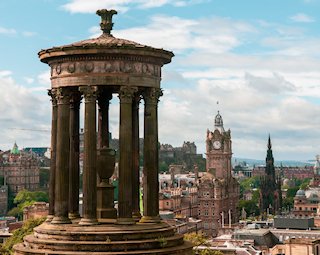
- Scotland's capital enchants with its dramatic setting, medieval Old Town, and Georgian New Town (both UNESCO World Heritage sites).
- The city's literary heritage (Harry Potter, Robert Louis Stevenson) and festival culture (especially August's Fringe) create vibrant atmosphere.
- The Royal Mile descends to Holyrood Palace. Climb Arthur's Seat for panoramic views.
Lake District
- England's largest national park inspired Romantic poets with its mountain-ringed lakes, stone-walled fields, and fells (mountains).
- Charming towns like Keswick and Ambleside provide comfortable bases.
- Hiking ranges from gentle lakeside strolls to challenging peaks like Scafell Pike.
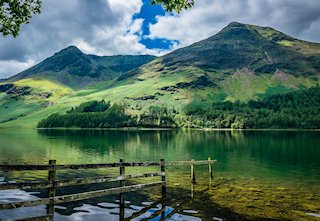
- Windermere, England's largest lake, draws most visitors, while Buttermere and Wastwater offer quieter beauty.
London
- Borough Market satisfies food lovers, while neighbourhoods from artsy Shoreditch to elegant South Kensington offer distinct flavours.
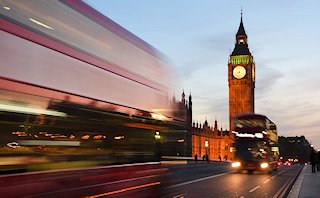
- Buckingham Palace's Changing of the Guard, the Tower of London's Crown Jewels, Westminster Abbey's royal history, and Big Ben's iconic presence anchor royal and political heritage.
- The British capital demands days of exploration.
- The British Museum houses world treasures free of charge, while Tate Modern showcases contemporary art.
- The London Eye, Camden Markets, and evening walks along the Thames add urban pleasures.
- The West End rivals Broadway for theatre.
Northern Ireland
- Belfast's Titanic Quarter tells the famous ship's story in an excellent museum.
- Derry's city walls and troubled history offer poignant insights.
- Game of Thrones filming locations dot the countryside.
- The Causeway Coastal Route ranks among the UK's most scenic drives.
- The Giant's Causeway's hexagonal basalt columns create otherworldly coastal landscapes.
Scottish Highlands
- Isle of Skye's dramatic Cuillin mountains, fairy pools, and Old Man of Storr reward visitors.
- Inverness serves as the highland gateway.
- Loch Ness attracts monster seekers, while Glencoe's dramatic mountains captivate hikers and photographers.
- Rugged mountains, deep lochs, and remote glens define Scotland's most iconic landscapes.
- The North Coast 500 scenic route rivals any European road trip.
Stonehenge & Avebury
- Nearby Avebury offers a larger, more accessible stone circle that visitors can walk among freely.
- The prehistoric stone circle at Stonehenge mystifies visitors 5,000 years after its construction.
- The surrounding Wiltshire landscape contains numerous Neolithic monuments.
- While you can't enter the circle itself, the site and visitor centre provide context.
Wales
- Cardiff combines a medieval castle with modern waterfront development.
- Compact Wales packs dramatic diversity.
- Conwy Castle exemplifies Edward I's Welsh fortifications.
- Snowdonia National Park offers mountain hiking and the charming Ffestiniog railway.
- The Pembrokeshire Coast Path showcases spectacular cliffs and beaches.
- Traditional Welsh culture maintains strong identity, with the Welsh language widely spoken.
York
- Ghost tours explore haunted sites in one of England's most reputedly haunted cities.
- Medieval walls encircle this beautifully preserved historic city.
- The Jorvik Viking Centre recreates Viking-age York.
- The Shambles, a preserved medieval street, winds between timber-framed buildings.
- York Minster ranks among Europe's greatest Gothic cathedrals.
- York Railway Museum appeals to train enthusiasts.
British Cuisine
British food has evolved dramatically from its former stodgy reputation, with London now ranking among the world's great culinary cities. Traditional dishes remain beloved alongside innovative contemporary cuisine.
- Afternoon Tea: The quintessentially British ritual includes tea (naturally) served with finger sandwiches (cucumber, egg mayonaise, smoked salmon), scones with clotted cream and jam, and delicate pastries. Luxury hotels offer elaborate versions, but tea-rooms throughout the country provide authentic experiences.
- Beverages: Tea remains the national drink, consumed daily by most Britons. British beer culture celebrates real ales, with CAMRA promoting traditional brewing. Historic pubs serve cask ales at cellar temperature. Scotland produces world-renowned whisky, with distillery tours available throughout whisky regions.
- Fish and Chips: Britain's iconic takeaway features battered fish (cod or haddock) and thick-cut chips (fries), traditionally wrapped in paper and doused with salt and vinegar. Coastal towns serve the freshest versions. Mushy peas provide traditional accompaniment.
- Full English Breakfast: The legendary 'fry-up' includes eggs, bacon, sausages, baked beans, grilled tomatoes, mushrooms, and toast or fried bread. Black pudding (blood sausage) appears in some versions. Served in B&Bs, cafés, and pubs, an English Breakfast fuels a full day of sightseeing.
- Indian Cuisine: Britain's colonial history created a love affair with Indian food. Chicken tikka masala, supposedly invented in Britain, competes for status as a national dish. Every town has curry houses, with Birmingham and Bradford offering particularly excellent options.
- Modern British: Contemporary chefs celebrate British ingredients with innovative techniques. London's restaurant scene rivals any world capital, with numerous Michelin-starred establishments. Borough Market and other food halls showcase artisanal producers.
- Pub Food: Modern gastropubs have elevated British pub grub beyond basic fare. Classics include shepherd's pie (minced lamb with mashed potato topping), bangers and mash (sausages with mashed potatoes and onion gravy), ploughman's lunch (cheese, bread, pickles, and chutney), and Scotch eggs.
- Regional Specialties: Each region maintains distinct dishes: Cornish pasties (meat and vegetable-filled pastry), Welsh rarebit (cheese sauce on toast), Scottish haggis (spiced offal in sheep stomach), Cumberland sausage, and Melton Mowbray pork pies. Cheddar cheese originates from the Somerset village of that name.
- Sunday Roast: Traditional British families gather for Sunday lunch featuring roasted meat (beef, lamb, chicken, or pork) with roast potatoes, Yorkshire pudding, vegetables, and rich gravy. Pubs serve excellent versions, offering weekly tradition experience for visitors.
Getting Around The UK
The UK's compact size and extensive transport networks make travel between regions straightforward, though costs can be high.
- BritRail Passes: International visitors can purchase BritRail passes offering unlimited train travel for set periods. These make financial sense only if making multiple longer journeys.
- City Transport: Most cities have bus networks. Edinburgh has trams, Manchester has the Metrolink tram system, and Newcastle has a metro. Cycling infrastructure is improving but varies dramatically by location.
- Coaches (Long-Distance Buses): National Express and Megabus operate comfortable, economical coaches between cities. Much slower than trains but significantly cheaper. Scottish Citylink serves Scotland specifically.
- Driving: Renting a car provides flexibility for exploring countryside, villages, and regions with limited public transport. Remember: drive on the left. Roads range from motorways (highways) to narrow single-track country lanes requiring passing places. Parking in historic towns can be challenging and expensive. Petrol (gasoline) costs significantly more than in North America.
- London Transport: London's extensive Underground (Tube), buses, and Overground trains connect the sprawling city efficiently. Purchase an Oyster card or use contactless payment for best fares. The system is intuitive and reliable despite occasional delays and crowding.
- Taxis & Ride-Sharing: London's iconic black cabs are metered and reliable but expensive. Uber operates in most cities offering cheaper alternatives. In smaller towns, pre-book taxis through local companies.
- Trains: Britain's rail network, while expensive and sometimes frustrating, connects most cities and towns efficiently. Virgin Trains, LNER, GWR, and numerous other operators serve different routes. Book tickets well in advance for significant savings; walk-up fares can be astronomical. Railcards offer discounts. The National Rail app helps plan journeys. First-class offers more comfort but premium pricing.
- Walking: Britain maintains extensive public footpath networks through countryside, including long-distance trails like the Coast to Coast Walk, Hadrian's Wall Path, and South West Coast Path. Cities are generally walkable, though London's size requires transport for longer distances.
Practical Tips
- Accents and Dialects: English accents vary dramatically across short distances. Don't be embarrassed to ask people to repeat themselves; even native Britons sometimes struggle with strong regional accents.
- Dining Times: Restaurants close between lunch and dinner service (typically 3-6pm). Book popular restaurants in advance, especially in London and for weekend dinners.
- Electrical Adapters: UK plugs (Type G) are unique and bulky. Bring appropriate adapters; available everywhere but easier to bring from home.
- Free Museums: Many national museums are free, including the British Museum, National Gallery, Tate Modern/Britain, Natural History Museum, and Science Museum. Donations are encouraged.
- National Trust & English Heritage: These organisations maintain hundreds of historic properties. Memberships offer free entry and can pay for themselves quickly if visiting multiple sites.
- Pedestrian Awareness: Look right when crossing roads (traffic comes from the opposite direction than in most countries). 'Look Right' is often painted at crossings in busy tourist areas as a reminder.
- Prices Include VAT: Unlike the US, displayed prices include the 20% Value Added Tax. What you see is what you pay.
- Pub Etiquette: Order and pay at the bar (no table service in traditional pubs). Tipping isn't expected for bar service. Pubs have traditional roles as community gathering places; visitors are welcome but respect the local atmosphere.
- Queuing Culture: Britons take queuing (standing in line) seriously. Always queue patiently and wait your turn. Cutting in line is deeply offensive.
- Scottish Midges: Tiny biting insects plague Scottish Highlands and islands from late spring through summer, especially in calm, damp conditions. Bring insect repellent for rural Highland areas.
- Tipping: Service charges are often included in restaurant bills; check before adding more. If not included, 10-15% is standard for good service. Tip taxi drivers 10%, hotel porters £1-2 per bag. No tipping in pubs for drinks.
- Weather Preparation: British weather is famously unpredictable. Always pack layers, waterproof jacket, and umbrella regardless of forecast or season. 'Four seasons in one day' is a common experience.
Regional Travel Guides
UK travel guides written by people in the know - a community of travel experts, British residents and regular visitors to the United Kingdom.

Travel writers and photographers are invited to join our team of travel content creators.