Overview
The United States sprawls across a continent of staggering diversity, where gleaming skyscrapers rise from desert plains, ancient forests meet rugged coastlines, and cultures from every corner of the world have woven themselves into the national fabric.
From the neon-lit streets of Las Vegas to the quiet majesty of Yellowstone, and the jazz-filled nights of New Orleans to the tech innovation of Silicon Valley, America offers visitors an almost overwhelming variety of experiences.
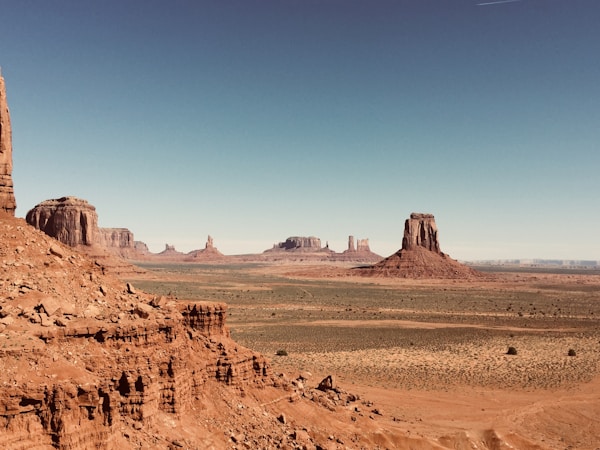
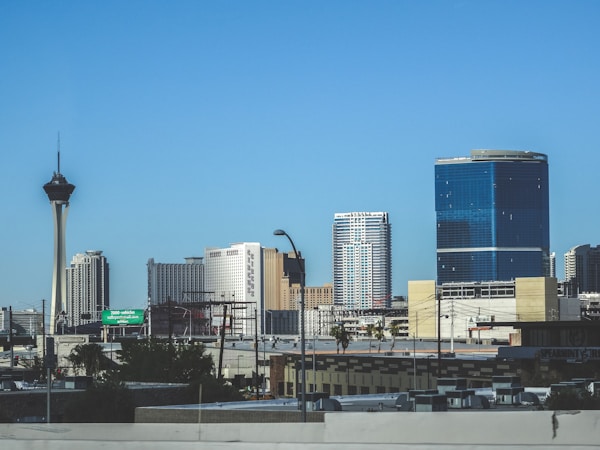
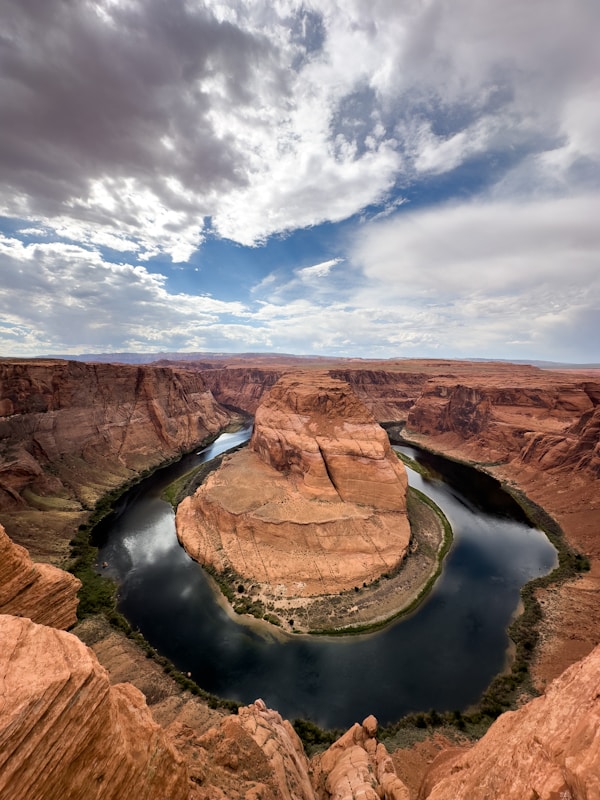
This vast nation contains virtually every landscape and climate imaginable: tropical beaches in Hawaii and Florida, alpine peaks in Colorado and Alaska, endless prairies across the heartland, dramatic red rock formations in the Southwest, and dense forests throughout the Pacific Northwest and Appalachia.
The cultural landscape proves equally diverse, with each region maintaining distinct character shaped by geography, history, and the immigrant communities that settled there.
The vastness of the country means that planning is essential; distances are enormous, and regional experiences vary dramatically.
Getting There
By Air
The United States has more major international airports than any country in the world. Primary gateways include New York (JFK, Newark), Los Angeles (LAX), Chicago (ORD), San Francisco (SFO), Miami (MIA), Dallas (DFW), Atlanta (ATL), and Seattle (SEA). These hubs connect to virtually every international destination with multiple daily flights from major cities worldwide.
By Land
Land borders with Canada and Mexico feature numerous crossing points. From Canada, major crossings include Detroit-Windsor, Buffalo-Niagara Falls, and Blaine-Vancouver. From Mexico, San Diego-Tijuana, El Paso-Ciudad Juárez, and Brownsville-Matamoros are the busiest. Requirements and wait times vary significantly by crossing.
By Sea
Cruise ships dock in ports including Miami, Los Angeles, New York, Seattle, and many others. Some travellers arrive by private yacht or cargo ship, though this is uncommon.
Visa Requirements
The Visa Waiver Program (VWP) allows citizens of 41 countries to visit for tourism or business for up to 90 days without a visa, but requires ESTA (Electronic System for Travel Authorization) approval before departure. Citizens of countries not in the VWP need B-1/B-2 tourist visas. Canadian citizens generally need only a passport. Always check current requirements well before travel, as policies can change.
Best Time to Visit The USA
Given the country's vast size and climate diversity, the 'best time' varies dramatically by region and intended activities.
- Spring (March-May): Excellent for the Southwest, Southeast, and California. Desert wildflowers bloom spectacularly in Arizona and California. Washington D.C.'s cherry blossoms peak in late March to early April. Texas bluebonnets create stunning displays. Northern regions and mountains begin thawing but can remain cool or rainy.
- Summer (June-August): Peak season for national parks, beaches, and family travel. Alaska, Pacific Northwest, and mountain regions shine with long daylight and comfortable temperatures. However, the Southwest becomes punishingly hot, and humidity blankets the Southeast. Popular destinations are crowded and expensive. Hurricane season begins in the Atlantic and Gulf (June-November).
- Autumn (September-November): Perhaps the most beautiful time across much of the country. New England's fall foliage peaks in October, drawing leaf-peepers to scenic drives. Comfortable temperatures throughout the West and South. Crowds diminish after Labor Day, and prices drop. Hurricane season continues through November in coastal areas.
- Winter (December-February): Ski season in full swing across the Rockies, Sierra Nevada, and smaller ranges. Florida, Southern California, Arizona, and Hawaii offer warm escapes. Northeastern and Midwestern cities can be bitterly cold with heavy snow, but holidays bring festive atmospheres. This is low season for most destinations outside ski resorts and warm-weather retreats.
Top Attractions by Region
Chicago, Illinois
- Deep-dish pizza, blues clubs, and Lake Michigan beaches provide classic Chicago experiences.
- Millennium Park's Cloud Gate sculpture (The Bean) draws millions.
- The Windy City's architecture, from historic skyscrapers to Frank Lloyd Wright homes, defines the skyline.
- World-class museums include the Art Institute and Field Museum.
Florida
- Beyond world-famous theme parks in Orlando (Walt Disney World, Universal Studios), Florida offers Miami's Art Deco architecture and Cuban culture
- Laid-back Florida Keys stretches out to Key West, offering a scenic drive through the Everglades' unique ecosystem, and hundreds of miles of beaches along both coasts.
- Space Coast hosts Kennedy Space Center launches.
Grand Canyon, Arizona
- Hike partway down Bright Angel Trail, watch sunset at Hopi Point, or take a helicopter tour for aerial perspectives.
- One of Earth's most spectacular natural wonders, the Grand Canyon stretches 277 miles long and up to 18 miles wide, revealing nearly two billion years of geological history.
- The South Rim is most accessible year-round, while the North Rim offers quieter experiences.
Hawaii
- Kauai's Na Pali Coast ranks among the world's most dramatic coastlines.
- Maui provides luxury resorts and the scenic Road to Hana.
- Oahu balances Waikiki Beach's tourist amenities with historical Pearl Harbour.
- The Big Island features active volcanoes at Hawaii Volcanoes National Park.
- The isolated Pacific archipelago offers tropical paradise across six main islands.
Las Vegas, Nevada
- Beyond the Strip, nearby Red Rock Canyon and Valley of Fire offer natural beauty.
- Day trips reach the Grand Canyon and Death Valley.
- The entertainment capital of the world dazzles with elaborate casino-resorts, world-class shows, celebrity chef restaurants, and 24-hour energy.
National Park Circuit (West)
- Each park offers distinct landscapes and requires days to properly explore.
- Glacier National Park's pristine wilderness feels like stepping back in time.
- Yellowstone, the world's first national park, astounds with geysers, hot springs, and abundant wildlife including bison, elk, and bears.
- Yosemite's granite cliffs and waterfalls inspire awe.
- Zion and Bryce Canyon showcase red rock formations.
New England
- Boston's Freedom Trail connects Revolutionary War sites.
- Cape Cod and Maine's coast provide classic beach and lobster experiences.
- Six northeastern states offer colonial history, fall foliage, coastal charm, and Ivy League culture.
- Vermont's Green Mountains and New Hampshire's White Mountains offer hiking and ski resorts.
New Orleans, Louisiana
- Architecture ranges from Creole cottages to grand antebellum mansions.
- Jazz fills the French Quarter's streets, Creole and Cajun cuisine satisfies every craving, and festivals like Mardi Gras showcase uninhibited celebration.
- The Big Easy's unique blend of French, Spanish, African, and American cultures creates an atmosphere unlike anywhere else in the U.S.
New York City
- Broadway shows, diverse culinary scenes, and relentless energy make NYC incomparable.
- Each neighbourhood offers distinct character, from the artistic energy of Greenwich Village to the immigrant tapestry of Queens.
- The city that never sleeps overwhelms with iconic landmarks: the Statue of Liberty, Empire State Building, Times Square, Central Park, and the 9/11 Memorial.
- World-class museums include the Met, MoMA, and American Museum of Natural History.
Pacific Northwest
- Olympic National Park's temperate rainforests and rugged coastline contrast with North Cascades' alpine peaks.
- Portland's quirky culture, craft beer scene, and nearby Columbia River Gorge attract younger travellers.
- Mount Rainier dominates the landscape.
- Seattle's coffee culture, music heritage, and Pike Place Market anchor the region.
San Francisco & Northern California
- Nearby Napa and Sonoma valleys offer world-class wine tasting, while the dramatic Big Sur coastline provides breathtaking drives south toward Los Angeles.
- Ride historic cable cars, explore Alcatraz Island, and sample sourdough at Fisherman's Wharf.
- San Francisco's steep hills, Victorian architecture, and iconic Golden Gate Bridge create an instantly recognizable cityscape.
Washington, D.C.
- The National Mall stretches from the Capitol to the Lincoln Memorial, with the Washington Monument and World War II Memorial between.
- The nation's capital offers free admission to the Smithsonian museums, monuments honouring American history, and the seat of government.
- The Smithsonian's nineteen museums cover everything from natural history to air and space, and a look back ar African American history.
American Cuisine
American cuisine reflects the nation's immigrant heritage and regional diversity, evolving from traditional comfort foods to cutting-edge fusion and farm-to-table innovations.
- American Breakfast: Pancakes, waffles, eggs Benedict, breakfast burritos, bagels with lox, and endless coffee define American mornings. Southern-style breakfast adds country ham and grits. Diners serve all-day breakfast across the country.
- Burgers & Fast Food: While America invented fast food, artisanal burger joints have elevated the classic to gourmet status with quality beef, creative toppings, and craft beer pairings. Regional chains like In-N-Out (West Coast) and Shake Shack (East Coast origin) have cult followings.
- Coastal Seafood: New England clam chowder, Maine lobster rolls, Chesapeake blue crabs, Pacific Northwest salmon, and Florida stone crabs showcase regional catches. San Francisco's cioppino and Dungeness crab, and Seattle's oysters highlight West Coast offerings.
- Craft Beer & Wine: The craft beer revolution has created thousands of microbreweries nationwide, each region developing signature styles. California, Oregon, and Washington produce world-class wines rivaling European traditions. Bourbon distilleries in Kentucky offer tastings and tours.
- Mexican-American & Tex-Mex: The Southwest's fusion cuisine includes authentic Mexican tacos, California burritos, Tex-Mex fajitas and queso, and New Mexican chile-smothered enchiladas. Food trucks in Los Angeles and San Diego serve some of the best tacos outside of Mexico.
- Regional BBQ Traditions: Each region champions its barbecue style: Texas brisket smoked with oak, Carolina pulled pork with vinegar-based sauce, Kansas City's sweet and sticky ribs, Memphis dry-rub ribs. The meat, wood, sauce, and cooking method vary by locale, inspiring fierce local pride.
- Southern Comfort Food: The American South perfected fried chicken, biscuits and gravy, shrimp and grits, collard greens, cornbread, and pecan pie. Soul food traditions add mac and cheese, fried catfish, and sweet potato pie. New Orleans contributes gumbo, jambalaya, po'boys, and beignets.
Getting Around America
The United States is designed for car travel, and distances between destinations can be enormous. Planning transportation carefully is essential.
- Amtrak: America's passenger rail service is limited compared to European or Asian networks. Northeast Corridor (Boston-New York-Washington D.C.) offers frequent, efficient service. Long-distance routes like the California Zephyr (Chicago-San Francisco) provide scenic experiences but take days. The system doesn't serve many regions comprehensively.
- Car Rental: Essential for exploring regions thoroughly, especially national parks, small towns, and rural areas. All major international rental companies operate throughout the U.S. Drivers must be at least 21 (25 for better rates), with valid license and credit card. Gasoline is relatively inexpensive compared to Europe. Highway system is extensive and generally well-maintained.
- Domestic Flights: For long distances, flying is often the only practical option. Major airlines include United, Delta, American, Southwest, JetBlue, and Alaska Airlines. Book in advance for better prices. Budget carriers offer competitive fares but charge for baggage, seat selection, and other amenities. TSA PreCheck or Clear expedite security screening.
- Intercity Buses: Greyhound and Megabus connect cities nationwide with budget-friendly fares. Buses are slower than trains or planes but reach areas without rail service. Comfort levels vary; long-distance trips can be exhausting.
- Public Transportation: Only a handful of cities have robust public transit: New York, San Francisco, Washington D.C., Boston, and Chicago lead the way. Most American cities require cars for practical travel. Ridesharing (Uber, Lyft) is ubiquitous in urban and suburban areas.
- RV Rentals: Recreational vehicles allow self-contained travel through national parks and scenic routes. Popular for extended trips, especially for families. RV campgrounds provide full hookups. Requires comfort with driving large vehicles.
Practical Tips
- Accommodation Variety: Options range from budget motels to luxury resorts. Airbnb is widespread. Booking.com and Hotels.com offer good comparisons. National park lodges are often booked months in advance.
- Cell Phone Coverage: T-Mobile, AT&T, and Verizon are major carriers. Coverage is excellent in cities but can be spotty in rural and mountain areas. Consider a prepaid tourist SIM.
- Drinking Age: Strictly enforced at 21. Expect to show ID even if you appear older. Public drinking and open containers in vehicles are illegal in most places.
- Gun Culture: Some states have open carry laws. While violent crime rates vary by location, tourist areas are generally safe. Use common sense in unfamiliar neighbourhoods.
- Health Insurance: Healthcare is expensive and mostly privatised. Travel insurance with medical coverage is strongly recommended. Emergency rooms must treat regardless of ability to pay, but bills can be enormous.
- National Park Passes: The America the Beautiful Annual Pass ($80) grants access to all national parks and federal recreation lands for one year. Worth it if visiting more than three parks.
- Sales Tax: Prices displayed rarely include sales tax, which varies by state and locality (0-10%). Final bill will be higher than marked prices. Some states have no sales tax (Oregon, Montana, New Hampshire, Delaware, Alaska).
- Size and Distance: Americans think nothing of three to four hour drives. Distances between cities can be vast. Don't try to 'see everything' in one trip. Focus on one or two regions.
- Tipping Culture: Tipping is expected and forms a significant part of service workers' income. Standard rates: 18-20% at restaurants, $1-2 per drink at bars, $2-5 per bag for hotel porters, 15-20% for taxis/rideshares, $2-5 per day for housekeeping. Not tipping is considered rude.
- Weather Preparedness: Check weather for your specific destination. Conditions vary dramatically by region and season. Layering clothing works well for variable temperatures.
Regional Travel Guides
US travel guides written by people in the know - a community of expats, American locals and regular visitors to the United States.




Travel writers and photographers are invited to join our team of travel content creators.