 Mexico City Travel Guide - Visit Latin America's Cultural
Capital
Mexico City Travel Guide - Visit Latin America's Cultural
Capital
.
Travel Notes: Destinations: North America: Mexico - Mexico City Travel Guide > Mexico City Tours & Trips.

Short URL: https://tnot.es/MEX
Travel Guide For Visitors to Mexico City
The Centro Histórico features beautifully preserved colonial buildings, palm-lined plazas, and significant churches and chapels crafted by indigenous artisans.
Mexico City Don't Miss
Art enthusiasts should not miss the Museo Nacional and Oswaldo Guayasamín’s Capilla del Hombre, which is a poignant tribute to humanity.

 Add a Business Listing -
Add a Location -
Add a Lodging - Add Travel Content
- Add URL
- Travel Services.
Add a Business Listing -
Add a Location -
Add a Lodging - Add Travel Content
- Add URL
- Travel Services.
Beyond the Ordinary in Latin America
Mexico City, or CDMX as locals call it, isn't the chaotic metropolis many imagine, but rather a sprawling canvas of contrasts; where ancient Aztec temples share streets with cutting-edge architecture, and street food rivals Michelin-starred cuisine.
With over 2,000 neighbourhoods packed into this high-altitude marvel, Mexico City offers more museums than any other city in the world, a food scene that's redefining Latin American cuisine, and a cultural richness that's been brewing for centuries.
Whether you're here for three days or three weeks, the Mexican capital promises discoveries around every corner.
2026 World Cup Host City
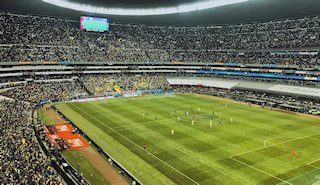
The Aztec Stadium, in Mexico City, makes history by opening the 2026 World Cup Finals, having previously hosted the FIFA tournament in 1970 and 1986.
2026 World Cup Finals in Canada, Mexico and USA.
Getting Your Bearings - Mexico City's Essential Neighbourhoods
Roma Norte - Where Hipsters Meet History
The 'creative heart of Mexico City' pulses strongest in Roma Norte, where tree-lined streets showcase stunning Art Deco architecture alongside converted mansions housing galleries and design studios.
This walkable neighbourhood has become the epicentre of Mexico City's cultural renaissance.
Start your exploration at Mercado Roma, an upscale food hall where local vendors serve everything from traditional cochinita pibil to fusion tacos.
The neighbourhood's Plaza Luis Cabrera transforms into an antique market on Saturdays, while independent bookshops and vintage boutiques pepper streets like Álvaro Obregón and Colima.
Architecture enthusiasts shouldn't miss the Casa Lamm Cultural Centre, a perfectly preserved Porfirian mansion now housing contemporary art exhibitions.
The building itself tells the story of early 20th-century Mexican luxury.
La Condesa - Parks, Cafés, and Urban Serenity
Adjacent to Roma Norte, La Condesa offers a more relaxed pace without sacrificing sophistication.
The neighbourhood revolves around Parque México and Parque España, green oases perfect for morning jogs or afternoon people-watching.
The area combines a chill, residential vibe with an impressive café culture, making it popular with digital nomads and families seeking a quintessentially Mexican urban experience.
Weekend brunches here stretch well into the afternoon, accompanied by excellent coffee from local roasters.
The Art Deco buildings surrounding both parks represent some of Mexico City's finest residential architecture from the 1920s and 1930s, when this area was developed as an upscale neighbourhood.
Centro Histórico - Where Mexico Began
The historic centre remains Mexico City's beating heart, where Spanish colonial architecture stands atop Aztec foundations.
Zócalo, one of the world's largest city squares, anchors this UNESCO World Heritage site.
Essential stops include:
Metropolitan Cathedral - Latin America's largest cathedral.
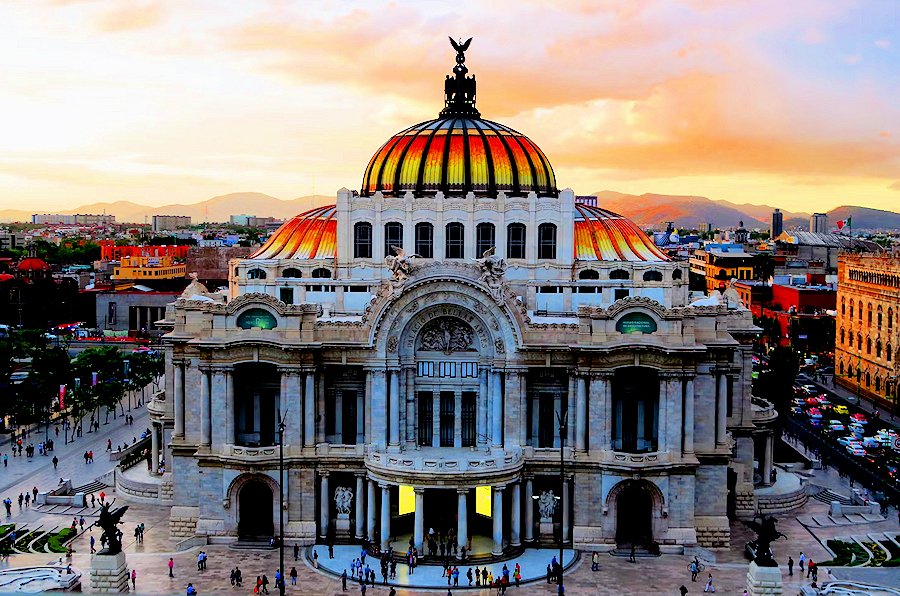
Palacio de Bellas Artes - Art Nouveau/Art Deco masterpiece hosting world-class performances.
Palacio Nacional - Diego Rivera's stunning murals depicting Mexican history.
Templo Mayor - Aztec temple ruins discovered beneath the modern city.
Walking these cobblestone streets feels like travelling through Mexico's entire history in a single afternoon.
Street vendors still sell traditional sweets and snacks that have remained unchanged for generations.
Polanco - Upscale Shopping and Museum Mile
Polanco represents Mexico City's sophisticated side, home to luxury shopping along Avenida Presidente Masaryk and several world-class museums.
The neighbourhood is perfect for high-end shopping, Michelin-star dining, and free museums.
Chapultepec Park, one of the world's largest urban parks, borders Polanco and houses the exceptional National Museum of Anthropology.
This museum alone could occupy an entire day, showcasing Mexico's pre-Columbian civilisations through unparalleled artefacts and exhibits.
Coyoacán - Cobblestones and Cultural Icons
South of the city centre, Coyoacán maintains a small-town atmosphere within the urban sprawl.
The neighbourhood features charming cobblestone streets that wind past colonial-era buildings and leafy plazas.
Frida Kahlo's Casa Azul draws thousands of visitors, but Coyoacán offers much more than its most famous resident.
The weekend market at Plaza Hidalgo showcases traditional crafts, while numerous cantinas serve mezcal and traditional Mexican dishes in atmospheric settings.
Art and Culture - Museums, Murals, and More
Mexico City stands as Mexico's cultural capital for design, architecture, and cuisine, with an arts scene that spans millennia.
Must-Visit Museums
National Museum of Anthropology houses the world's finest collection of pre-Columbian Mexican artefacts.
The Aztec calendar stone and feathered serpent sculptures provide context for understanding Mexico's complex indigenous heritage.
Museo Frida Kahlo offers intimate insights into the artist's life and work within her actual home.
Advanced booking is essential, as this remains Mexico City's most popular museum.

Palacio de Bellas Artes combines architectural splendour with rotating exhibitions and performances. The building itself, featuring a marble exterior and Art Nouveau/Art Deco interior, represents early 20th-century Mexican artistic ambitions.
Street Art and Murals
Diego Rivera's murals appear throughout the city, but contemporary street art has claimed entire neighbourhoods.
Roma Norte and La Doctores showcase large-scale murals by both local and international artists.

The Museo Universitario Arte Contemporáneo (MUAC) at UNAM showcases cutting-edge Mexican and Latin American contemporary art in a striking geometric building.
Where to Stay in Mexico City
Roma Norte and La Condesa offer the best balance of location, dining options, and neighbourhood character for first-time visitors.
Boutique hotels and Airbnb options abound in both areas.
Polanco provides luxury hotel options with easy access to museums and upscale shopping, while Centro Histórico offers budget-friendly accommodations near major attractions.
Book accommodation well in advance during peak seasons (December-January, Easter week) and major cultural events.
Tourist Map of Mexico City
Use the Tourist Map of Mexico City to help you decide where to stay in Mexico City based on travel budget, preferred location, planned must-see attractions and local must-do activities.
Culinary Adventures - Eating Your Way Through Mexico City
Mexico City's food scene extends far beyond tacos, though the city's taco game remains unmatched.
From street corners to fine dining establishments, the capital showcases Mexico's incredible culinary diversity.
Street Food Essentials
Tacos al pastor originated here, brought by Lebanese immigrants who adapted their shawarma technique to local ingredients.
The best taqueros slice meat from vertical spits (trompos) with theatrical flair, adding pineapple and onions with practised precision.
Tamales vendors appear early morning on street corners, their steam-filled pots promising warm masa parcels filled with everything from chicken in green salsa to sweet pineapple.
Each region of Mexico contributes its own tamale style to the city's morning ritual.
Don't overlook esquites; grilled corn kernels served in cups with mayonnaise, chilli powder, lime juice, and cheese.
This seemingly simple street snack represents Mexican flavour combinations at their finest.
Market Culture
Mercado San Juan caters to the city's top chefs, offering exotic ingredients from across Mexico and beyond.
Here you'll find everything from grasshoppers (chapulines) to European truffles, reflecting Mexico City's position as the country's culinary crossroads.
Mercado de Medellín in Roma Sur provides a more neighbourhood-focused market experience, where local families shop for daily necessities alongside increasingly popular gourmet vendors.
Fine Dining Revolution
Mexico City's restaurant scene has exploded onto the international stage, with establishments like Pujol (Tennyson 133, Polanco), Quintonil (Av. Isaac Newton 55, Polanco), and Sud777 (Blvrd de la Luz 777) earning global recognition.
These restaurants reinterpret traditional Mexican ingredients and techniques through contemporary culinary lenses.
The city's approach to fine dining maintains strong connections to traditional cooking methods, using ingredients like huitlacoche (corn fungus), quelites (wild greens), and various chilli varieties that most international diners have never encountered.
Day Trip Adventures Beyond the City
Teotihuacán - Pyramids and Ancient Mysteries

The Teotihuacán pyramids attract visitors for good reason, representing one of Mesoamerica's most significant archaeological sites.
Located 50 kilometres north-east of Mexico City, this UNESCO World Heritage site predates the Aztec empire by centuries.
The Pyramid of the Sun ranks among the world's largest pyramids, while the Avenue of the Dead stretches over two kilometres between major ceremonial complexes.
Recent archaeological discoveries continue revealing new aspects of this mysterious civilisation.
Early morning visits avoid crowds and offer better lighting for photography.
Many tour companies provide transportation from Mexico City, though independent travel via bus remains straightforward and economical.
Xochimilco - Floating Gardens and Trajineras
The chinampas (floating gardens) of Xochimilco preserve pre-Hispanic agricultural techniques still practised today.
Colourful trajineras (traditional boats) navigate canals lined with willows and decorated with flowers.
Weekend trips often feature mariachi bands, food vendors on boats, and a festive atmosphere that can become quite lively.
Weekday visits offer more tranquil experiences for those seeking to appreciate the area's ecological and historical significance.
Practical Information for Mexico City Visitors
Getting Around
Mexico City Metro efficiently connects major neighbourhoods and attractions, though avoid rush hours when possible.
The system covers most tourist destinations, with clear signage in Spanish and pictographic station identifiers.
Uber and local taxis provide door-to-door convenience, with ride-sharing apps offering transparent pricing and safety features.
Traditional taxis remain widely available, though agree fares beforehand when meters aren't used.
Walking remains the best way to explore individual neighbourhoods, particularly Roma Norte, Condesa, and Centro Histórico.
The city's high altitude (2,240 metres) may initially affect visitors, so pace yourself during walking tours.
When to Visit
October through April offers the most pleasant weather, with warm days and cool nights.
The rainy season (May-September) brings afternoon thunderstorms but also lush vegetation and fewer crowds.
Day of the Dead celebrations (November 1-2) showcase Mexican traditions at their most vibrant, though hotel prices increase and attractions become crowded.
Safety and Health Considerations
Mexico City maintains lower crime rates than many major cities, though standard urban precautions apply.
Tourist areas like Roma Norte, Condesa, and Polanco generally feel very safe, even at night.
Altitude affects some visitors initially, so stay hydrated and take breaks during your first days.
The city's air quality has improved significantly, though sensitive individuals might notice effects during winter months.
Tap water in hotels and restaurants is generally safe for drinking, though many visitors prefer bottled water as a precaution.
The Mexico City Experience
Mexico City rewards curiosity and spontaneity.
Allow time for unexpected discoveries; whether stumbling upon a neighbourhood festival, finding an exceptional taco stand, or discovering a hidden courtyard café.
The city's complexity can initially overwhelm, but each neighbourhood reveals distinct personalities that make exploration manageable and endlessly rewarding.
From ancient temples to contemporary galleries, street food to haute cuisine, Mexico City offers experiences that challenge preconceptions and create lasting memories.
This is a city where past and present coexist naturally, where traditional markets operate alongside cutting-edge restaurants, and where every street corner holds potential for discovery.
Mexico City doesn't reveal itself quickly, but that's precisely what makes it endlessly fascinating.
More City Travel Guides
Cities in Africa - Cities in America - Cities in Asia - Cities in Australasia - Cities in Latin America - European Destinations - Middle East.



|
|
More From Travel Notes
Travel Notes Online Guide to Travel
Africa - Asia - Caribbean - Europe - Middle East - North America - Oceania - South America.

The Travel Notes Online Guide to Travel helps visitors plan their trip with country and city travel guides, local tourist information, reviewed web sites, and inspiring travel content.
Travel Collaborations
Where travel creators, brands, and tourism partners connect and collaborate on real campaigns.

Travel Collaborations is a TravelNotes.org inspired B2B Network connecting content creators and digital nomads with travel destinations, hotels, and tourism brands looking for authentic storytelling on real campaigns.
Travel Resources

.
Travel & Tourism With Industry Professionals.

During 40 years of travel & living abroad Michel has visited some 120 countries, 220 UNESCO Heritage Sites and 100+ World Heritage Cities.
